High rollers treat casino play as a managed activity rather than a spontaneous gamble. The best casino strategy for high rollers starts with disciplined bankroll management and clear limits before a single chip is placed. On the Gold Coast, where tables move fast during school holidays, seasoned players know that pace and composure separate a good session from a costly one. This guide walks through the practical steps of handling larger stakes with the same rigour a floor manager applies to a busy shift.
Understanding the Floor Before You Play
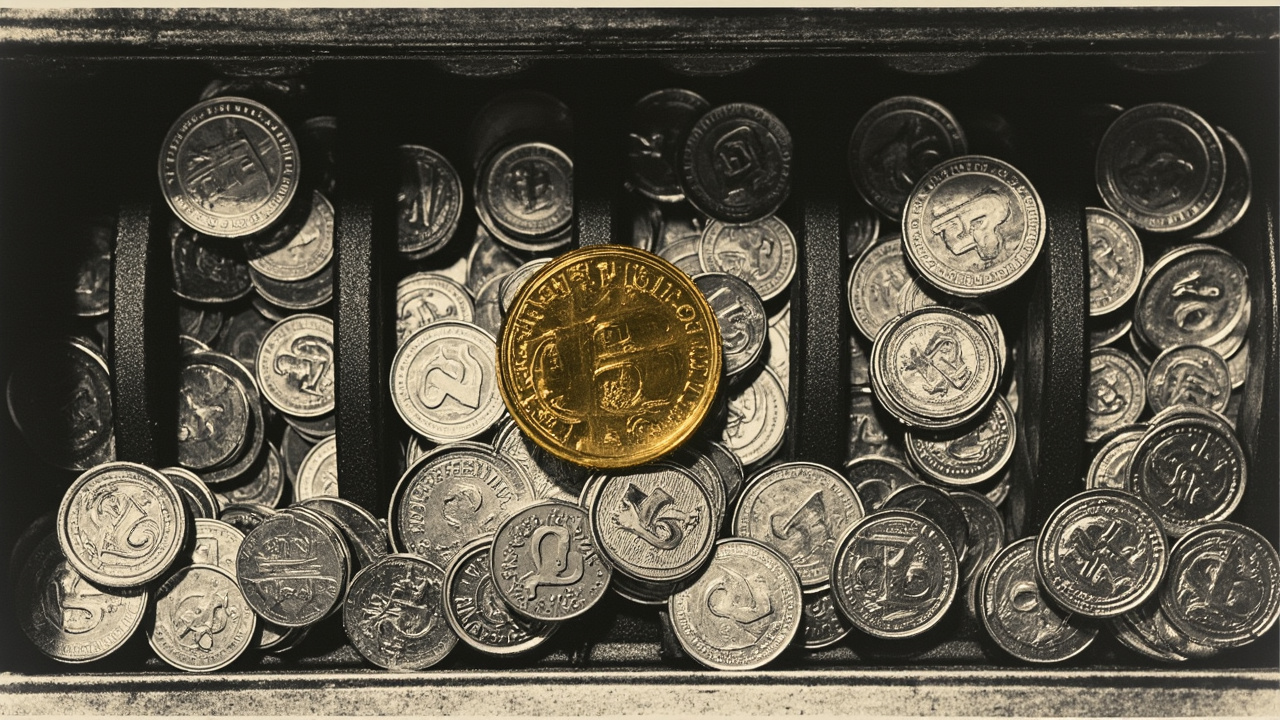
Walking into a high-limit room is different from dropping into a busy floor. The pace is slower, the staff are more attentive, and the stakes are unforgiving of sloppy habits. A senior table-games operator knows that labour efficiency matters because every minute of attention a dealer gives to a confused player is a minute not spent keeping the game moving. High rollers who respect that rhythm get better service and make sharper decisions.
The first thing to sort is your bankroll split. Divide your session funds into units that match the table minimums, and never carry more than you plan to risk. If you are sitting at a $25 minimum table with a $5,000 session, that is twenty units per round of play, not twenty-five thousand reasons to chase a bad beat. Write the limit down, keep it in your pocket, and treat it like a shift handover note – something you do not rewrite mid-game.
Comps and loyalty perks are part of the maths, not a bonus to chase. A disciplined player logs play, accepts the offer, and keeps moving. Chasing a free night by extending a losing session is the same mistake a floor manager sees when a dealer stays on a table past their break because the pit boss asked nicely. The work suffers, and the player pays for it.
A Step-by-Step Guide for New High-Stakes Players
If you are fresh to higher-stakes tables, the room can feel intimidating. Here is how to approach it without overcomplicating things.
Step one: pick the right table and sit down
Look for a game you understand and a minimum that fits your unit size. Do not sit at a $100 minimum table because the carpet looks nicer. Watch a hand or two from the rail, note the speed, and check that the dealer and pit staff are running a clean game. If the table is moving too fast for your comfort, step away and find another.
Step two: set your session limit before you buy in
Decide the total amount you are willing to risk for that sitting, then break it into units. For example, a $2,000 session at a $25 table gives you eighty units to work with. That number is your ceiling, not a suggestion. Keep it in your head and on a note in your jacket, and do not reload beyond it.
Step three: track your play as you go
Count your wins and losses in units, not dollars. A unit-based tally keeps emotion out of the decision. If you are up five units after an hour, that is a result worth protecting, not a signal to double down. If you are down five units, that is your cue to reassess, not to chase.
Step four: manage your time and your breaks
High-stakes play is tiring. Take a break after a set number of hands or a fixed stretch of time. Grab a drink, step outside, and reset. A fresh head makes fewer mistakes, and the floor staff will respect a player who comes back composed rather than frazzled.

Step five: know when to walk away
Hit your ceiling, hit your target, or run out of time – any of those is a valid reason to leave. The best sessions end on your terms, not when the pit boss asks if you need anything else. Walking away with your limit intact is a win, even if the cards did not go your way.
Fitting the Approach to Your Game and Limits
Not every high-stakes player is built for the same game. Some prefer the slower rhythm of baccarat, where the decisions are fewer and the pace is measured. Others want the active decisions of blackjack, where basic strategy and table conditions matter every hand. The right fit depends on how you handle variance and how much attention you want to give each round.
Table limits and game rules change the maths more than most players realise. A blackjack table that pays 3:2 on blackjack is a different proposition from one that pays 6:5, and the difference compounds over a long session. Baccarat has its own edges and rhythms, and the commission on winning banker bets is part of the cost of play. Know the rules before you sit, because a table that looks generous on the sign can be expensive once you are in it.
Payment flow matters when you are moving larger amounts. A clean cashier experience – clear limits, straightforward verification, and a sensible processing window – keeps the session focused on the game instead of the paperwork. Players who plan their deposits and withdrawals around their session schedule avoid the frustration of waiting on a transaction while a good run is still on the board. If you want a more detailed look at how payment flows and cashier limits work in practice, https://bonusrocketplay.org/ walks through the mechanics in plain terms.
Conclusion
High-stakes play rewards discipline more than luck. Set your limits, pick the right game, track your units, and leave when the session says you should. Treat the floor like a working environment, respect the pace, and keep your head clear. That is the approach that holds up over time, on any busy table.